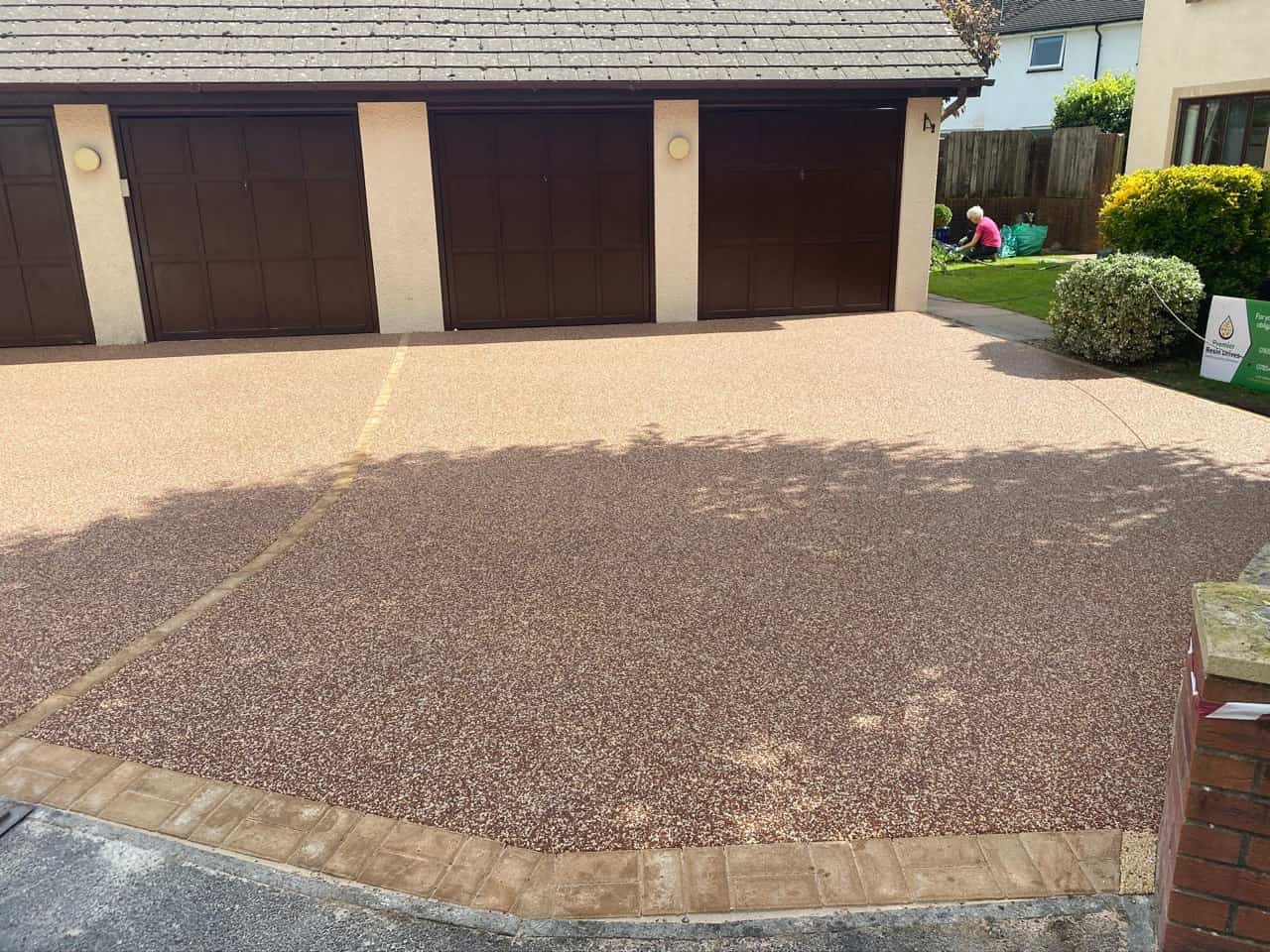
A well-planned garden path can transform the way an outdoor space looks and functions. It provides a clear route between different areas of the garden while helping to define lawns, planting beds, patios and other features. Resin bound surfacing is particularly suitable for garden paths because it provides a neat, stable and visually appealing finish.
For homeowners in Canterbury, Kent, careful planning is important to ensure a resin bound path complements the existing garden while providing a practical surface for everyday use.
Consider How the Path Will Be Used
The first step is to establish the main purpose of the path. A pathway leading from a garden entrance to a patio may have different requirements from a narrow walkway through planted areas.
Consider where people naturally walk and which parts of the garden need to be connected. A well-positioned path should provide a convenient route without creating unnecessary changes in direction.
Think about how the pathway will be used throughout the year and whether it needs to accommodate regular foot traffic, garden maintenance or access to particular features.
Choose a Suitable Path Layout
The shape and position of a resin bound garden path can have a significant effect on the overall appearance of the landscape.
Straight paths can create a structured and contemporary appearance, while gentle curves can work well with more natural garden designs. The route should feel intentional and connect key areas without making the garden feel divided.
Before installation, it can be useful to mark out the proposed route so you can assess its position from different parts of the garden.
Plan the Width Carefully
The path should be wide enough for its intended use. A narrow decorative walkway may only need enough space for comfortable single-file walking, while a frequently used route may benefit from additional width.
Consider whether people will need to pass each other, carry gardening equipment or move furniture along the path. Planning the width before installation helps avoid creating a pathway that becomes awkward to use.
Select an Appropriate Resin Bound Finish
One of the advantages of resin bound surfacing is the variety of aggregate colours and combinations available. The chosen finish should complement the existing features of the garden and property.
When selecting an aggregate blend, consider nearby paving, brickwork, walls, fencing and planting. A finish that works with the surrounding colours can help the path feel naturally integrated into the landscape.
It is also worth considering how the surface will look alongside the garden as plants and other features change throughout the seasons.
Think About Drainage
Effective drainage should be considered before any resin bound path is installed. Although resin bound surfaces can be permeable when correctly designed and constructed, the suitability of the existing ground and base needs to be assessed.
The proposed path should be planned with the surrounding landscape in mind, including existing levels and areas where water may naturally collect.
Good preparation is an important part of creating a reliable surface, so drainage requirements should be considered during the design stage rather than after installation.
Prepare the Existing Ground
The condition of the existing ground can influence the performance of the finished path. The installation process may require excavation, suitable sub-base preparation and consideration of the surrounding ground conditions.
Simply placing resin bound material over an unsuitable surface is unlikely to provide the desired result. Proper preparation creates a stable foundation and helps the finished pathway perform as intended.
A professional assessment can establish what preparation is required before work begins.
Consider the Surrounding Landscape
A resin bound path should complement the garden rather than compete with it. Consider how the pathway will interact with lawns, borders, trees, raised beds and other features.
The edges of the path can also help define different areas. Clean boundaries can create a more organised appearance, while carefully designed curves can help the pathway follow the natural shape of the garden.
Planning these details beforehand can make the finished landscape feel more cohesive.
Why Professional Installation Matters
A successful resin bound path depends on more than selecting an attractive aggregate. Base preparation, material mixing, application and finishing all need to be carried out correctly.
Professional installation helps ensure that the planned design is translated into a properly constructed surface. It also provides an opportunity to identify potential issues with drainage, levels or ground preparation before installation begins.
Resin Bound Garden Paths in Canterbury, Kent
For homeowners in Canterbury, Kent, Canterbury Resin Driveways can help plan and install resin bound garden paths suited to the property and surrounding landscape.
From choosing an appropriate layout and finish to preparing the surface correctly, professional guidance can help ensure the pathway is both attractive and practical. If you are considering a resin bound garden path, contact Canterbury Resin Driveways to discuss your requirements and arrange a suitable service.
Conclusion
Planning a resin bound garden path involves more than choosing a colour. The route, width, drainage, surface preparation and relationship with the surrounding landscape all contribute to the final result.
For homeowners in Canterbury, Kent, taking time to plan these details can help create a pathway that looks natural within the garden and remains practical for everyday use. With suitable preparation and professional installation, a resin bound path can become a useful and attractive feature of the outdoor space.
Call us on: 01227 538086
Click here to find out more about Canterbury Resin Driveways
Click here to complete our contact form and see how we can help with your driveway needs.