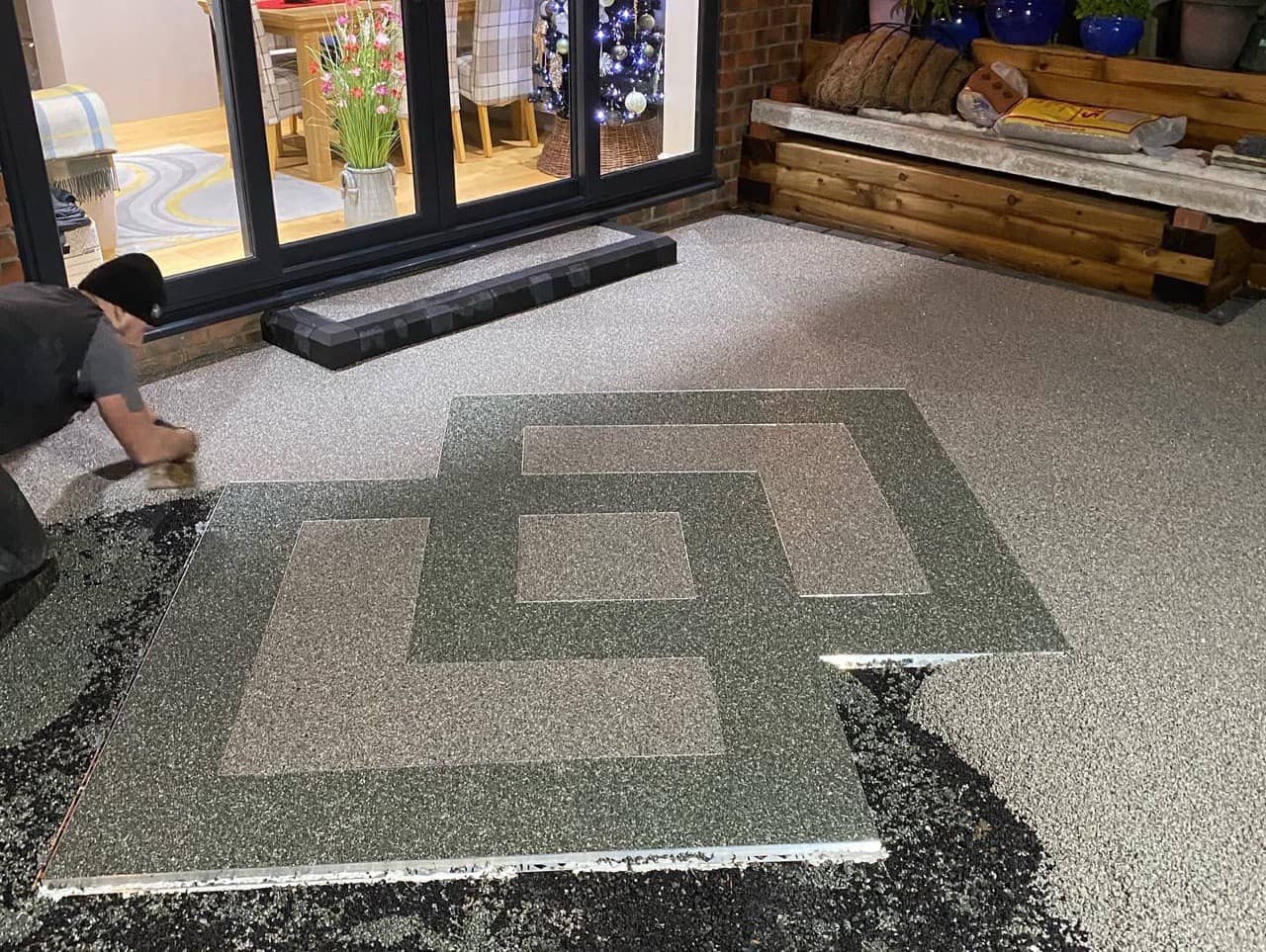
A resin-bound driveway is a popular choice for homeowners looking for an attractive, durable and relatively low-maintenance surface. Its smooth finish, range of natural aggregate colours and permeable structure make it a practical option for improving the appearance and functionality of a property’s exterior.
One of the most common questions homeowners ask before choosing this type of surfacing is how long it will last. A well-installed resin-bound driveway can typically provide around 15–25 years of service, although its actual lifespan depends on the quality of the installation, the materials used and how well the surface is maintained.
For properties in Canterbury, Kent, understanding these factors can help you make an informed decision and protect your driveway for years to come.
What Determines the Lifespan of a Resin-Bound Driveway?
Resin-bound surfacing is created by mixing natural aggregates with a specialist resin before applying the mixture to a prepared base. Once cured, the materials form a solid, seamless surface that can withstand normal vehicle and pedestrian use.
Although the surface is designed for durability, its longevity depends on several important considerations.
1. Quality of Installation
The quality of the installation is one of the biggest influences on how long a resin-bound driveway lasts. Even high-quality materials may deteriorate prematurely if the groundwork has not been completed properly.
Before installation, the existing surface should be assessed to determine whether it provides a suitable foundation. The base must be stable, correctly prepared and capable of supporting the expected traffic.
Poor preparation can lead to movement, cracking, uneven areas or loose aggregate. Professional installation helps reduce these risks by ensuring that each stage, from groundwork to the final application, is completed correctly.
2. Quality of Resin and Aggregate
The materials used also affect the performance of the finished driveway. Resin and natural aggregates need to be compatible and suitable for external surfacing.
The resin binds the stones together, while the aggregate provides the visible finish and contributes to the surface’s overall strength. Incorrect mixing ratios or unsuitable materials can weaken the bond and increase the likelihood of deterioration.
Using appropriate materials and following the manufacturer’s installation guidance helps create a consistent, durable surface.
3. Vehicle Use and Traffic Levels
A resin-bound driveway must be designed to accommodate the type and frequency of traffic it will receive.
A driveway used mainly by pedestrians and occasional vehicles will generally experience less wear than one regularly supporting multiple cars or heavier vehicles. The base construction and surface specification should therefore reflect the intended use.
Avoiding unnecessary heavy loads and taking care when manoeuvring vehicles can also help reduce avoidable wear.
4. Weather and Drainage Conditions
Resin-bound driveways are exposed to rain, temperature changes, sunlight and seasonal weather throughout the year. Although a properly installed surface is designed for outdoor conditions, poor drainage can contribute to long-term problems.
One advantage of resin-bound surfacing is its permeable structure, which allows water to pass through when installed over a suitable permeable base. This can help reduce surface water accumulation.
However, the underlying construction must also support effective drainage. If water cannot disperse properly, it may contribute to problems with the base or surrounding areas.
5. Regular Maintenance
Although resin-bound driveways are relatively low-maintenance, occasional care is important for preserving their appearance and performance.
A simple maintenance routine should include:
- Sweeping away leaves, soil and loose debris.
- Washing the surface with clean water when necessary.
- Removing stains promptly using suitable cleaning products.
- Clearing nearby drainage channels and outlets.
- Checking periodically for cracks, loose aggregate or uneven areas.
Keeping organic debris under control is particularly useful during wetter periods, as accumulated leaves and dirt can encourage moss and algae growth.
Signs That Your Resin-Bound Driveway Needs Attention
Recognising early signs of deterioration can help prevent minor issues from becoming more serious.
Look out for:
- Loose stones or areas where the aggregate appears to be separating.
- Cracks or uneven sections across the surface.
- Persistent water pooling or changes in drainage performance.
- Discolouration or established moss and algae growth.
- Areas that appear to be lifting or moving.
Some issues may be related to surface wear, while others could indicate problems with the underlying base. If you notice persistent damage, a professional assessment can help identify the cause and determine the most appropriate solution.
How to Extend the Life of Your Driveway
A few sensible precautions can help keep a resin-bound driveway in good condition. Regular cleaning prevents debris from accumulating, while prompt attention to stains and organic growth helps maintain the finish.
It is also important to use suitable cleaning methods. Harsh chemicals, abrasive brushes and excessive pressure can damage the resin or disturb the aggregate if used incorrectly. Always follow the installer’s maintenance recommendations.
Most importantly, ensure that any installation or repair work is carried out with attention to the existing base and drainage arrangements. Addressing underlying problems is essential for achieving a lasting result.
Professional Resin-Bound Driveways in Canterbury
Choosing an experienced installer is an important step towards achieving a driveway that performs well over the long term. Proper groundwork, suitable materials and careful application all contribute to the quality of the finished surface.
Canterbury Resin Driveways provides resin surfacing services for homeowners in Canterbury, Kent. Whether you are considering a new driveway or looking to improve an existing outdoor surface, professional guidance can help you find an option that suits your property’s requirements.
Conclusion
A resin-bound driveway can typically last around 15–25 years when it is installed correctly and maintained appropriately. Its lifespan depends on several factors, including groundwork, material quality, traffic levels, drainage and routine care.
By choosing professional installation and following a straightforward maintenance routine, homeowners in Canterbury can help protect their investment and enjoy an attractive, practical driveway for many years. Contact Canterbury Resin Driveways to discuss your project and explore the possibilities for your property.
Call us on: 01227 538086
Click here to find out more about Canterbury Resin Driveways
Click here to complete our contact form and see how we can help with your driveway needs.